A guide for families in Ainsdale who have started to wonder whether someone they love could benefit from a little extra help at home. Written honestly, without pressure, from experience.
Ainsdale has always done things quietly. Tucked between Southport and Formby, behind the dunes and the nature reserve, it has the character of a village that does not need to announce itself. The beach is there for those who know it. Station Road serves the daily needs of people who live here rather than those passing through. The pace is deliberately unhurried.
For older residents, that quality of life — the familiarity, the manageability, the particular calm of a place that has not changed much — is something genuinely worth protecting. Home in Ainsdale is not just a building. It is a routine, a set of relationships, a particular way that each week goes.
What home help does, when it works properly, is protect all of that. Not by taking over. By making sure the practical things stay steady so that the rest of life can continue as it was.
This page is for families who have begun to wonder whether a little support might help someone they love stay in the home and the life they have built here.
In a community like this, where neighbours tend to know each other and life runs at a manageable pace, the early signs that someone needs a little support are often noticed by people close to them before they are acknowledged by the person themselves.
The regular walk along the dunes or down to the shore that has quietly stopped. The weekly trip to the shops on Station Road that is now being skipped more often than it happens. Meals that have simplified in a way that was not there six months ago. A house that is a little less tended than it was — not dramatically, but differently.
There is often the feeling too that a parent is managing, but managing in a way that is costing them more than it should. Getting by, rather than living. Saying “I’m fine” in that particular way that means the opposite is at least partly true.
These things rarely arrive suddenly. They accumulate slowly, which is part of why families sit with them longer than they need to. If something here feels familiar, that recognition matters.
Most families who call us are not yet certain what they need. They know something has shifted, and they want to think it through with someone who understands. That is exactly where a conversation should begin.
This is the question that brings most families here — and almost always the moment they ask it feels slightly too early or slightly too late.
Too early feels presumptuous. Your parent is managing. They have not asked for anything. You do not want to imply that they cannot cope, or to say something that changes how they feel about themselves. So you watch, and you visit more often if you can, and you tell yourself things are fine.
Too late is when a situation has developed to the point where decisions have to be made quickly. Where there is no time to find the right person, to let trust build gradually, to introduce a helper gently before they are genuinely needed.
In our experience, the families who find this transition easiest are the ones who began thinking about it a little before they felt they had to. They gave themselves the time to do it well.
A first conversation with us carries no commitment. It is simply a chance to think out loud with someone who has been through this with many families, who will listen carefully and tell you honestly whether they think home help is what is needed — or not.
Home help is not about stepping in because someone can no longer manage. It is about making sure the things that allow someone to manage — the meals, the shopping, the company, the daily routines — remain steady. The aim is always to preserve what is already there.
For older residents of Ainsdale who want to remain in the home they know, near the dunes and the beach and the neighbourhood that has been theirs for years, the right support at the right moment is often what makes that possible for longer.
If what you have read here feels familiar, that is worth listening to. You do not need to have made any decisions. You only need to be willing to have a conversation.
Ainsdale sits in a particular sweet spot on the Sefton coast — small enough to feel genuinely local, well-connected enough to feel far from isolated. The dunes and the nature reserve are on the doorstep. The beach, which carries the rare distinction of Blue Flag status, is one that residents tend to walk on year-round rather than saving it for summer. Station Road provides what is needed for daily life. Southport is a short journey north for anything larger.
For people who have lived here for many years, this balance — quiet but connected, coastal but grounded — is not incidental. It is the reason they stayed, or the reason they came. The particular quality of the light over the dunes in the morning. The walk they have done a thousand times and still choose. The neighbours they have known long enough that the relationship no longer needs much maintenance.
These are the things that make Ainsdale home in a way that goes beyond the practical. And they are the things that most older residents, when they are honest, are not prepared to give up.
What gradually threatens that is not any single thing. It is the slow accumulation of small practical difficulties — the shopping that becomes harder to manage, the meal that does not get cooked, the appointment that is missed because getting there has become more complicated than it once was. Left unaddressed, these things shift the balance between coping and struggling.
Home help, at its best, addresses exactly these things. Not dramatically. Quietly. The same person arriving on the same days, doing the things that keep the week working, noticing how someone is and remembering what matters to them.
That is what allows someone to remain at home — in Ainsdale, in the house they know, with the life they have built here — for longer than they might otherwise manage.
We cover Ainsdale village, Station Road, Shore Road, Woodvale and surrounding areas within PR8. If you are unsure whether your road is included, please call us and we will confirm immediately.
At its simplest, home help is practical support for the ordinary things that make an ordinary day work well.
Someone who comes on agreed days and helps to keep the week running. Who prepares a proper meal in the client’s own kitchen, using the ingredients they keep, in the way they like things done. Who accompanies them to the shops at their own pace — to Station Road or wherever suits that person — or handles errands on their behalf when getting out is not possible. Who keeps the house comfortable and maintained in the way its owner would want.
And who is, over time, genuinely known. A familiar presence rather than a service. Someone who remembers what was discussed last week, who notices when something is different, who has become part of how the week goes.
This is what consistency makes possible. And it is why the same person attending each time is not just a preference — it is the thing that makes the relationship actually useful.
A helper who knows a client well notices a change in energy or appetite before it has become obvious to anyone else. They notice when something seems slightly off, when a mood has shifted, when something mentioned last visit has been resolved or has quietly worsened. They are not assessing. They are simply paying attention in the way that people who know each other do.
For families who live at some distance, or who are managing busy lives alongside a growing concern about a parent, this regular, familiar presence — someone who knows their loved one and would notice if something was wrong — is one of the most reassuring things home help can offer.
Visits are arranged entirely around the client — their preferred days, times and routines. We fit into the existing shape of the week rather than imposing a new one.
Select Home Care Services was founded by three registered nurses based in nearby Formby. They built the service they would have chosen for their own mothers — and they remain personally involved in every client relationship. When you call, one of them answers.
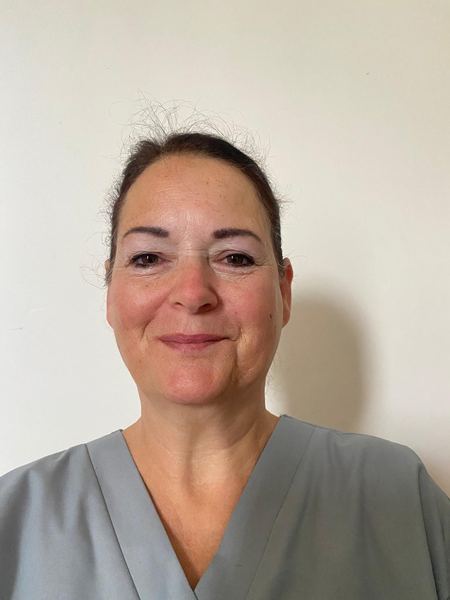
With years of hands-on care experience in residential and community settings, Anita brings practical knowledge and quiet authority to everything we do. A mother of eight, she understands family life from the inside — the weight of responsibility, the importance of trust, and what it means to invite someone into a home that matters.

A qualified Registered Nurse, Natalie ensures every aspect of our service is safe, considered and clinically informed. Her professional framework gives families genuine confidence — knowing nursing expertise underpins everything, even when the tasks themselves are practical.

Nicola’s nursing career has always been defined by attention to the whole person — not just the presenting need, but the emotional experience and sense of identity. She ensures every client feels genuinely heard, valued and cared for.
These are two distinct categories of support, and it is not always obvious which applies to a particular situation. That is completely understandable, and it is one of the things a first conversation with us often helps to clarify.
Regulated personal care — bathing, dressing, toileting, medication administration — requires providers to be registered with the Care Quality Commission. Select Home Care Services is not a CQC-registered provider and does not carry out these tasks.
What we provide is practical, social and domestic support: meals, shopping, housekeeping, companionship, appointment accompaniment, digital help, welfare check-in calls, post-hospital recovery support and respite for family carers.
If regulated care is what is needed, we will say so clearly and do what we can to help you understand the right next step. If it is home help, or a combination of both, we will talk through what that looks like in practice. Honesty about this costs us nothing and saves families a great deal of confusion.
We do not provide
Bathing & washingDressingToiletingMedication administrationNursing treatmentWe do provide
CompanionshipMeal preparationShopping & errandsLight housekeepingAppointment accompanimentDigital supportPost-hospital supportWelfare check-in callsRespite for family carersHome help and regulated personal care often work alongside each other. We are experienced in supporting clients in Ainsdale who receive personal care from another provider and home help from us.
£33 per hour. Every service. No exceptions.
No registration fees · No hidden costs · No minimum commitment · No long-term contracts
If you have a question not answered here, please call us on 01704 333 188. We are always happy to talk without any pressure.
See All QuestionsNo paperwork. No assessment. No obligation of any kind. One of our founders will listen carefully, ask the right questions, and give you an honest view of whether home help is likely to make a difference.
Some families call us having thought about it for an afternoon. Others have been sitting with the question for months. Either is fine. The conversation will be the same: calm, honest and without any expectation that you commit to anything.
If we are not the right fit, we will tell you — and do what we can to point you in the right direction.